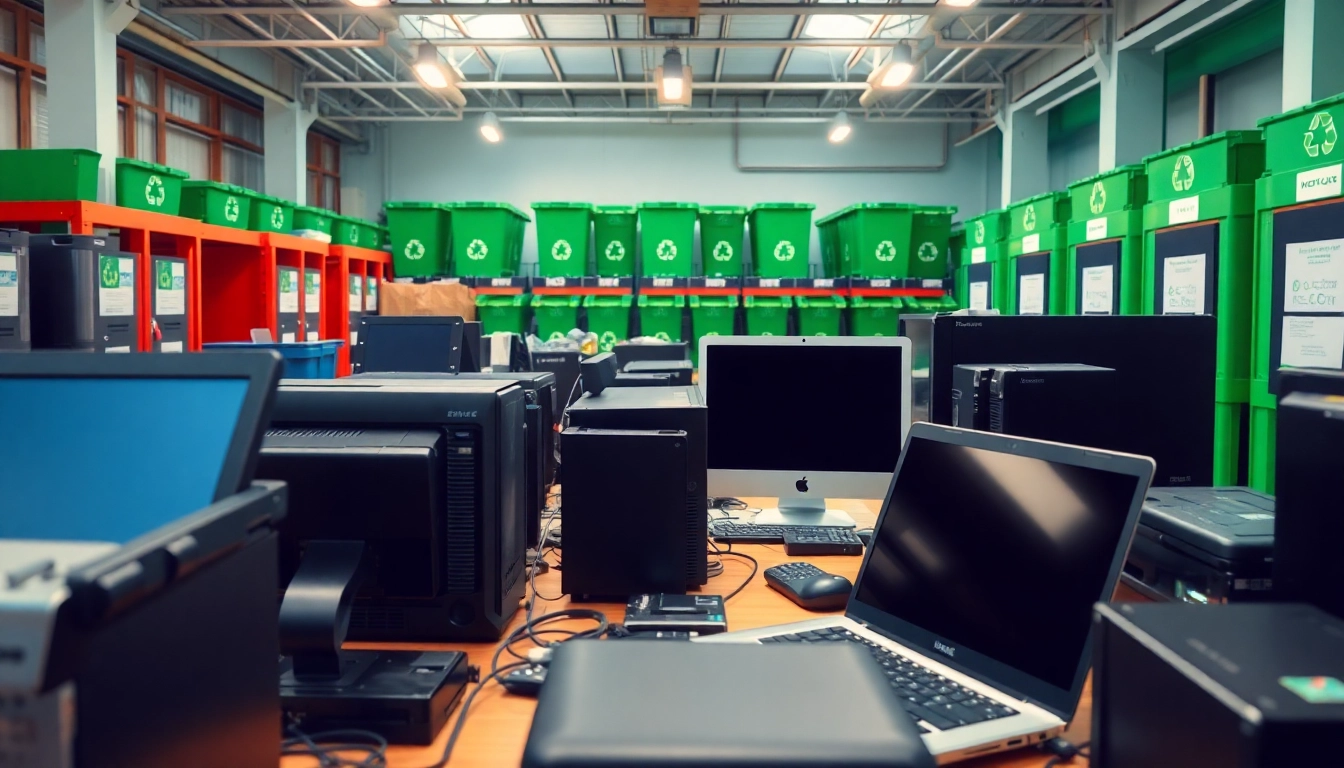
1. Understanding Free Computer Disposal Near Me
What Is Computer Disposal?
Computer disposal refers to the process of correctly disposing of old or unwanted computers and related electronic equipment. With the continuous advancements in technology, many consumers find themselves needing to discard outdated devices. Proper disposal ensures that harmful materials do not end up in landfills while also allowing for the recovery of recyclable materials. To find options for free computer disposal near me, individuals can utilize various resources that highlight local services.
Importance of Responsible Disposal
Time and again, the significance of responsible computer disposal comes into focus. Improper disposal of electronic waste (e-waste) can lead to severe environmental repercussions. Hazardous materials found in computers—such as lead, mercury, and cadmium—can leach into the soil and water supply, posing a health risk to communities and wildlife. Responsible disposal not only mitigates these risks but also promotes recycling efforts to reclaim valuable materials, contributing to a more sustainable planet.
Environmental Impact of E-Waste
The rise of e-waste is a growing global concern. It is estimated that millions of tons of electronic waste are generated annually. Without appropriate recycling and disposal mechanisms in place, a considerable percentage of this waste ultimately ends up in landfills. This is particularly troubling given that e-waste can contain toxic elements that, when not disposed of correctly, can harm ecosystems. Successful e-waste recycling programs yield substantial benefits, such as reducing greenhouse gas emissions and conserving natural resources. Every individual’s efforts in proper disposal can collectively lead to significant environmental improvement.
2. How to Locate Free Disposal Services
Utilizing Online Resources
Numerous online platforms provide crucial information on locating free computer disposal services. Websites such as local government portals, recycling networks, and nonprofit organizations can assist citizens in finding nearby e-waste disposal sites. Furthermore, many municipalities have dedicated pages or directories for e-waste recycling programs available in their region, making the search for services easier than ever. Users can input their zip codes to identify local resources, ensuring they find a service that meets their specific needs.
Community Programs and Resources
Many communities offer programs dedicated to the safe disposal of electronic waste. These can include free disposal events, scheduled pick-ups, or established drop-off centers. Engaging with community task forces or environmental groups can also unveil local initiatives aimed at enhancing e-waste awareness and recycling efforts. Residents are encouraged to stay informed by following community announcements to take advantage of such programs, ensuring that their unwanted electronics are handled responsibly.
Retailer and Manufacturer Programs
Another avenue to evaluate for free computer disposal services lies within retailer and manufacturer programs. Many large electronics retailers offer take-back programs and e-waste recycling options, whereby customers can return old devices for proper disposal. Similarly, manufacturers sometimes provide recycling options, either through mail or local venues, to dispose of old equipment safely. These initiatives not only ensure responsible disposal but can also provide consumers with discounts or incentives for new purchases.
3. Preparing for Computer Disposal
Data Security and Wipe Procedures
Before disposing of a computer, users must prioritize data security. Sensitive personal information can be exposed if adequate data-wiping procedures are not in place. To safeguard against this, users should perform a factory reset or utilize specialized software to securely erase data. It’s essential to ensure that all data is irrevocably deleted before disposal, protecting personal privacy and identity from potential misuse.
Sorting Your E-Waste
Not all electronic equipment is treated equally during the disposal process. Users should take time to sort their e-waste into categories for easier recycling. Items typically sorted include computers, monitors, printers, peripherals, and cables. Different types of devices may have varied disposal protocols. Understanding this can save time and ensure that recyclables are processed in alignment with environmental guidelines.
Identifying Recyclable Materials
Identifying recyclable materials within obsolete computers and peripherals is crucial for proper disposal. Common recyclable materials found in e-waste include metals like copper and aluminum, plastics, and glass components from monitors. Recognizing these materials can enhance recycling outcomes, reducing landfill deposits and facilitating the recovery of valuable resources. Therefore, proper sorting and disposal are not just beneficial but necessary for sustainable waste management.
4. Benefits of Free Computer Disposal
Environmental Sustainability
Utilizing services for free computer disposal leads to significant environmental sustainability. By recycling electronics, harmful chemicals are kept out of landfills and ecosystems, promoting a healthier planet. More importantly, recycling reduces the need for raw materials, conserving energy and water in the manufacturing process. As communities embrace free disposal solutions, they contribute to broader sustainability goals, establishing a culture of responsibility towards e-waste.
Financial Advantages
In addition to environmental benefits, opting for free computer disposal can offer material financial savings. Many municipalities and organizations provide these services to encourage proper recycling. Through such programs, users can avoid the fees that sometimes accompany hazardous waste disposal while making a positive impact. In many instances, consumers save money while also participating in responsible disposal practices.
Supporting Local Communities
Community-oriented disposal programs often reflect a commitment to local environmental health. Participating in free disposal initiatives fosters a sense of community responsibility, encouraging residents to take collective action. Additionally, some disposal services resell recovered electronics, aiding local nonprofits or community organizations. Supporting these programs creates a positive feedback loop for communities seeking to enhance their ecological footprint and instill responsible waste management practices.
5. FAQs about Free Computer Disposal Near Me
Where can I find free computer disposal services?
You can find free computer disposal services through local government websites, community centers, and environmental organizations. Many cities have dedicated programs or disposal events for e-waste.
How do I ensure my data is secure before disposal?
Before disposal, ensure your data is secure by performing a factory reset or using data-erasing software. Verify that all personal information is irrevocably deleted to prevent misuse.
Can I donate my old computer instead?
Yes, if your old computer is functional, consider donating it to organizations or schools in need. Ensure the device is in working condition and meets the recipient’s standards.
What happens to my computer after I dispose of it?
After disposal, your computer typically undergoes processes like recycling, refurbishing, or safe waste management. Components are sorted for recycling or disposal in an eco-friendly manner.
Are there any special requirements for disposing of monitors?
Yes, monitors often contain hazardous materials, requiring specific disposal methods. Check local regulations and available disposal programs to ensure safe handling.