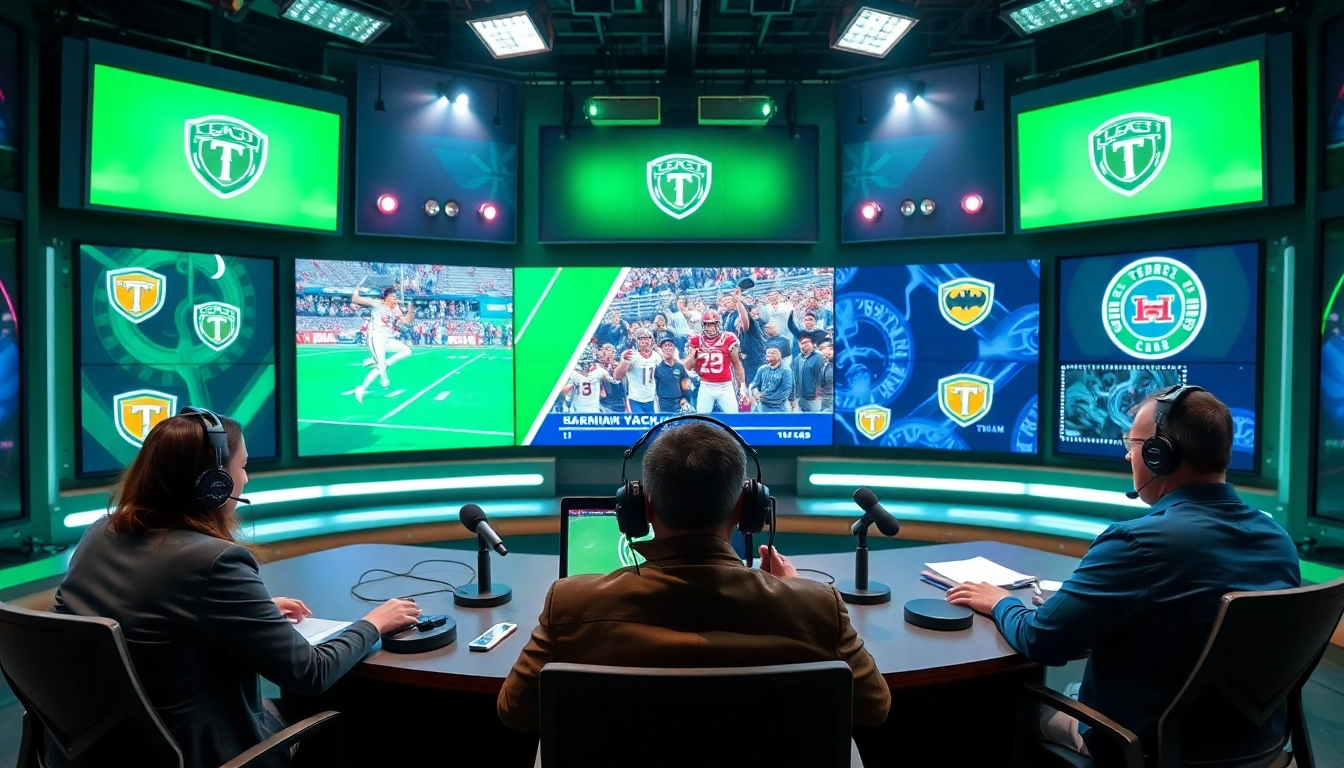
Understanding Sports Broadcasting
Sports broadcasting has transformed significantly over the decades, evolving from simple radio broadcasts of local games to the dynamic and multifaceted global phenomenon we witness today. As one of the most engaging forms of media, Sports Broadcasting encapsulates the thrill of competition and unites fans across geographical boundaries.
What is Sports Broadcasting?
Sports broadcasting refers to the dissemination of live or recorded sports events, programs, and discussions via various media platforms including television, radio, online streaming services, and social media. It combines commentary, analysis, and coverage of competitions, making sports accessible to mass audiences. With the rise of digital platforms, sports broadcasting has evolved to accommodate on-demand content consumption, catering to diverse preferences and viewing habits.
History and Evolution of Sports Broadcasting
The roots of sports broadcasting can be traced back to the early 20th century, with baseball games being transmitted via radio. The first televised sports event took place in the late 1930s, showcasing a baseball game. From there, the industry expanded rapidly through the introduction of color broadcasting, cable television, and eventually, satellite transmission. The digital revolution has further enhanced the experience, enabling sports networks to deliver content across multiple devices, including smartphones and tablets, thus reaching broader audiences with tailored marketing strategies.
The Role of Technology in Sports Broadcasting
Technology plays a crucial role in enhancing the quality and reach of sports broadcasting. High-definition video streaming, advanced audio technology, and graphics integration create an immersive viewing experience. Moreover, technologies such as VR and augmented reality are breaking new ground, allowing fans to experience games from unique perspectives. Interactive features, such as real-time statistics and instant replays, further enrich viewer engagement, making the consumption of sports content more dynamic than ever before.
The Importance of Audience Engagement
Engagement is the lifeblood of successful sports broadcasting. As audiences become more discerning, broadcasters must strive to create content that resonates on a personal level, fostering a sense of community among fans.
Strategies for Increasing Viewership
To increase viewership, broadcasters should focus on producing high-quality content that captivates audiences from the onset. This includes engaging pre-game shows, in-depth analyses, and post-game commentary that provide context to the events. Additionally, utilizing data analytics to understand viewer preferences and tailor programming accordingly can optimize audience satisfaction.
Utilizing Social Media for Real-Time Interaction
Social media platforms serve as powerful tools for real-time interaction between viewers and broadcasters. Promotions, live tweets during games, and fan polls significantly enhance engagement. Real-time content sharing allows audiences to participate actively, creating a two-way communication channel that adds value to traditional broadcasts while heightening the sense of community among fans.
Measuring Audience Feedback and Metrics
Collecting data on audience behavior is essential for evaluating the effectiveness of broadcasting strategies. Metrics such as viewer ratings, social media engagement, and audience retention provide critical insights into consumer preferences. Surveys and focus groups can aid in gathering qualitative feedback, helping broadcasters adjust their content strategies for improved audience satisfaction and loyalty.
Best Practices for Content Creation
Creating compelling content is pivotal for capturing viewer interest and sustaining it over time. Broadcasters must balance entertainment with informative elements to engage their audiences effectively.
Developing Compelling Storylines
At the heart of captivating sports broadcasting lies the narrative. By highlighting underdog stories, rivalries, and personal journeys, broadcasters create emotional connections with viewers. Effective storytelling immerses audiences in the experience, making them not just spectators, but active participants in the unfolding drama of the games.
Incorporating Expert Commentary
Expert analysts bring depth to sports broadcasts, providing insights that enhance viewers’ understanding of strategies, player performances, and game dynamics. Engaging former athletes or credible commentators can enhance the credibility of the broadcast, and their personal anecdotes create emotional connections with the audience, fostering loyalty and sustained interest.
Using Visuals Effectively in Sports Broadcasting
Visuals are critical in sports broadcasting. Graphics that display player stats, team rankings, and critical game moments add layers of information while enhancing viewer engagement. Moreover, advanced graphics integration, like augmented reality, allows for more interactive experiences, providing audiences with new ways to engage with the content presented.
Challenges in Sports Broadcasting
The sports broadcasting landscape presents numerous challenges that require agile strategies and solutions. Navigating these issues effectively is vital for maintaining credibility and viewer loyalty.
Managing Live Events and Technical Difficulties
Live broadcasting is prone to technical hitches, which can disrupt viewer experience. Planning for contingencies is critical. Broadcasters should ensure redundancy in technical equipment and establish protocols for rapid issue resolution. Comprehensive rehearsal of live productions can help minimize disruptions and ensure a smooth viewing experience.
Legal Considerations and Broadcast Rights
Broadcast rights can be a complex arena, with various regulations governing the distribution of sports content. Understanding legal protocols and securing appropriate rights is crucial to avoid litigation and ensure compliance. Engaging legal experts to navigate these complexities can facilitate better negotiations and partnerships in contract agreements.
Adapting to Changing Audience Preferences
With shifting viewer habits influenced by digital platforms and mobile consumption, adapting to these changes is essential. Broadcasters should continually analyze viewing trends, incorporating innovative formats like mobile-first offerings, short-form highlights, and interactive features that cater to modern consumer demands.
Future Trends in Sports Broadcasting
The future of sports broadcasting promises to be even more dynamic and personalized, with anticipated advancements in technology shaping the way fans consume sports content.
The Impact of Streaming Services
Streaming services have revolutionized how audiences access sports content. The flexibility to watch on-demand as opposed to scheduled broadcasts caters to increasingly busy lifestyles. Broadcasters should adapt content strategies to leverage these platforms, creating exclusive content to retain subscribers and ensure robust viewer engagement.
Embracing Virtual and Augmented Reality
Virtual and augmented reality technologies are set to enhance sports broadcasting experiences, offering immersive environments that put viewers at the heart of the action. Broadcasters can use these technologies to create experiences such as virtual stadium tours, allowing fans to explore venues and interact with live event aspects in unprecedented ways.
Innovations in Interactive Viewing Experiences
As technology continues to evolve, interactive viewing experiences will become more mainstream. Features such as multi-angle viewing, integrated betting options, and gamified content can redefine how audiences experience sports. Broadcasters should focus on designing innovative platforms that facilitate engagement and create memorable experiences for viewers.
FAQs about Sports Broadcasting
What platforms can I use to watch sports broadcasts?
Sports broadcasts can be accessed on traditional TV networks, online streaming platforms, and through dedicated sports apps. Most offer both live events and replays.
How does live sports broadcasting impact viewer engagement?
Live broadcasting creates immediate excitement and anticipation, fostering greater viewer investment. Real-time commentary heightens emotional engagement, enhancing the overall experience.
What metrics are important for measuring sports broadcast success?
Key metrics include viewer ratings, social media interactions, audience retention rates, and engagement levels during broadcasts. Analyzing these can inform content strategies.
How can I engage with sports broadcasts on social media?
Engaging with broadcasts on social media can involve commenting, sharing, and participating in fan discussions during live events. Many broadcasters encourage real-time interaction.
What trends should I watch for in sports broadcasting?
Emerging trends include the rise of streaming services, adoption of AR/VR technology for immersive experiences, and increasingly interactive formats that cater to viewer interactivity.